
Car class decisions feel straightforward in summer: pick something that fits your group and bags, and you are done.
Winter complicates that.
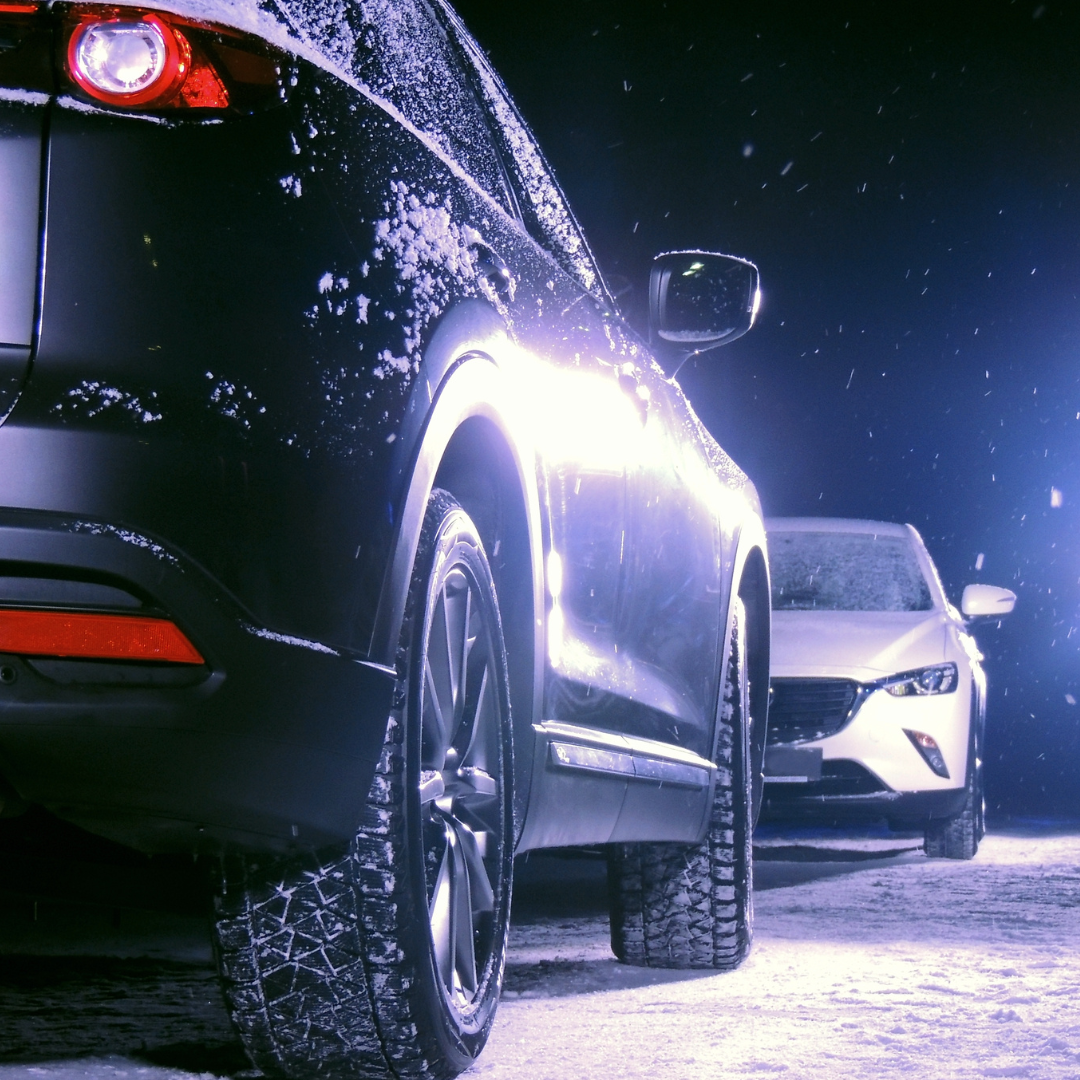
In cold and snowy regions, demand for SUVs and all-wheel-drive vehicles surges, which can lift their prices compared to standard sedans. In warmer destinations, the pressure is far less intense, and the gap can shrink.
Why SUVs get pricier in winter
A few forces stack up in winter states:
• Safety concerns. Drivers gravitate toward vehicles that feel more capable on snow and ice.
• Road conditions. Mountain passes and rural routes may simply require more capable vehicles.
• Limited supply. Fleets include only so many winter-equipped cars; when everyone wants them, prices climb.
Suppliers know which vehicles will be most in demand in January in, say, Colorado or upstate New York, and yield systems respond accordingly.
When paying for the SUV is worth it
Upgrading makes sense when:
• You will be driving in genuinely challenging winter conditions (mountain passes, unplowed rural roads, frequent storms).
• Local rules or common sense make winter tires, chains, or all-wheel drive highly advisable.
• You are carrying passengers and luggage that would truly overwhelm a small sedan.
In those cases, the extra cost buys comfort, capability, and margin for error.
When a sedan is the smarter play
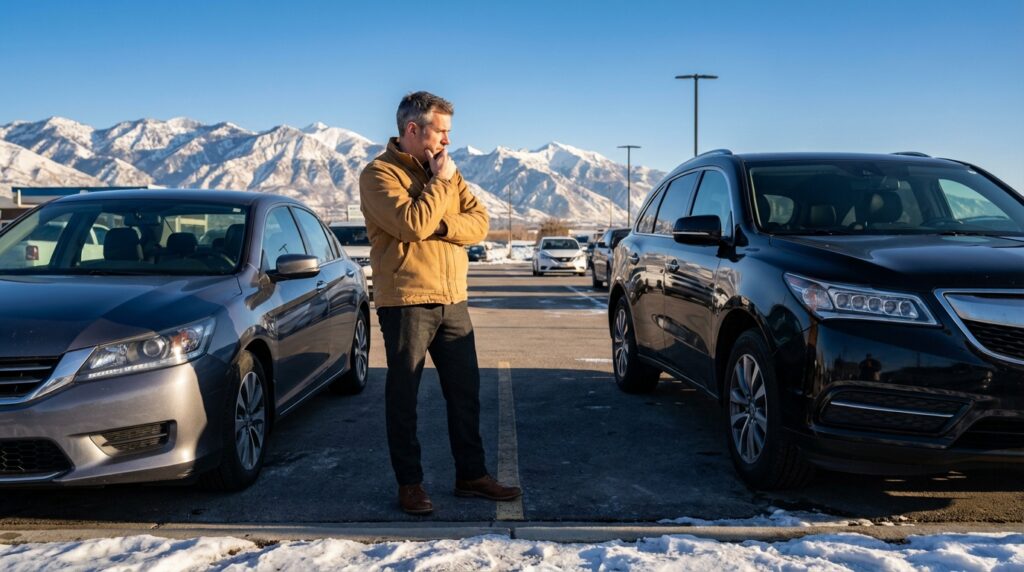
On the other hand, a standard sedan can be more than enough when:
• You are visiting a warmer winter destination (deserts, many coastal cities, much of the southern United States).
• Your driving will stay mostly on major, well-maintained highways and city streets.
• Your trip is short and lightly packed.
In these scenarios, the price difference between car classes can be significant over several days, and the “extra” capability may go mostly unused.
How AutoRentals.com helps you see the trade-offs
AutoRentals lets you:
• Compare SUVs and sedans side by side for the same dates and locations
• Filter specifically for all-wheel drive or specific vehicle types where needed
• See how much extra you are paying for the bigger car in each market
Looking at this on an actual search often clarifies the decision:
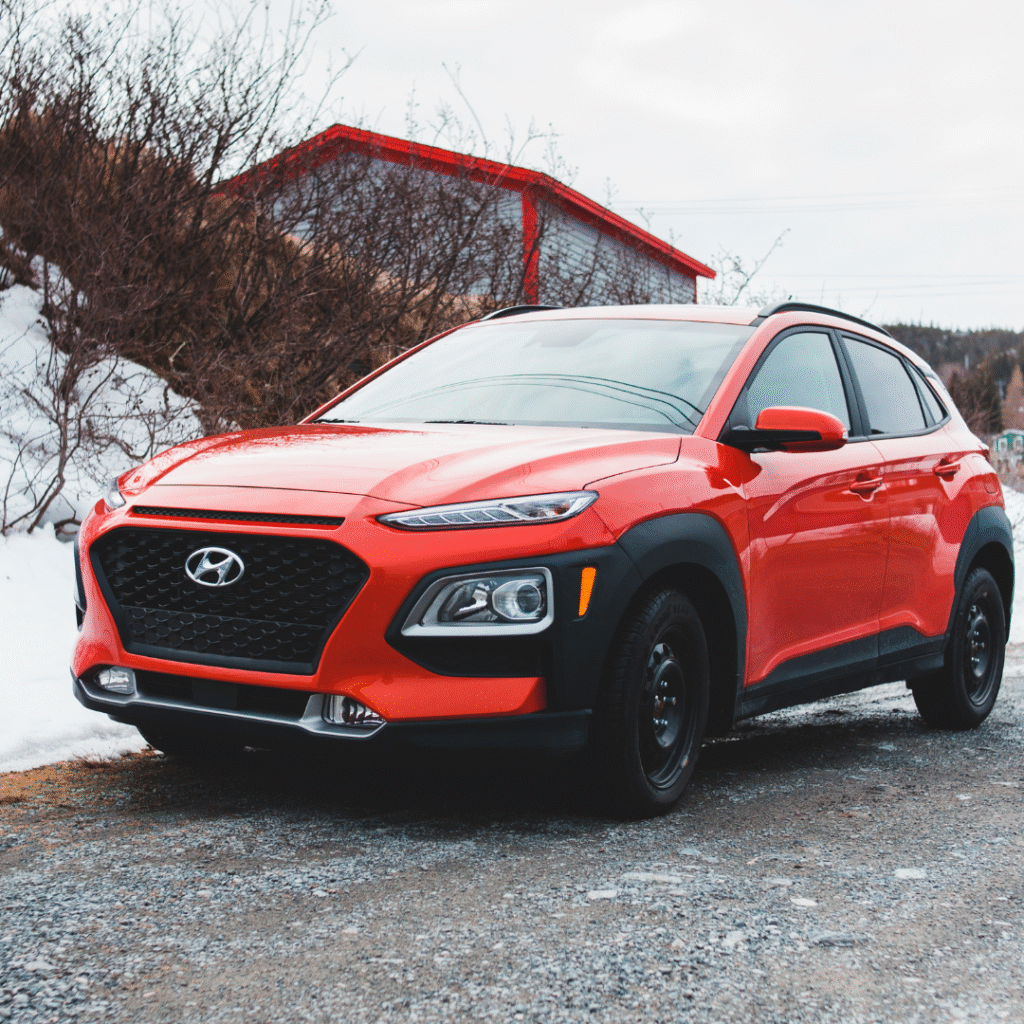
• In some snow destinations, the premium for a capable SUV looks like a straightforward safety investment.
• In milder regions, the sedan may clearly free up budget for lodging, food, or activities instead.
The goal is not to always pick the cheaper option or always pick the “safer-feeling” one—it is to match the car to the trip.
With a quick side-by-side comparison, you can decide where, this winter, the upgrade truly earns its keep and where a simpler car quietly does the job for less.
