

When you rent a car, it’s easy to assume the only thing the rental company cares about is whether you return it on time and undamaged. But if your trip involves crossing state lines, they may be keeping closer tabs than you think.
Toll Transponder Data
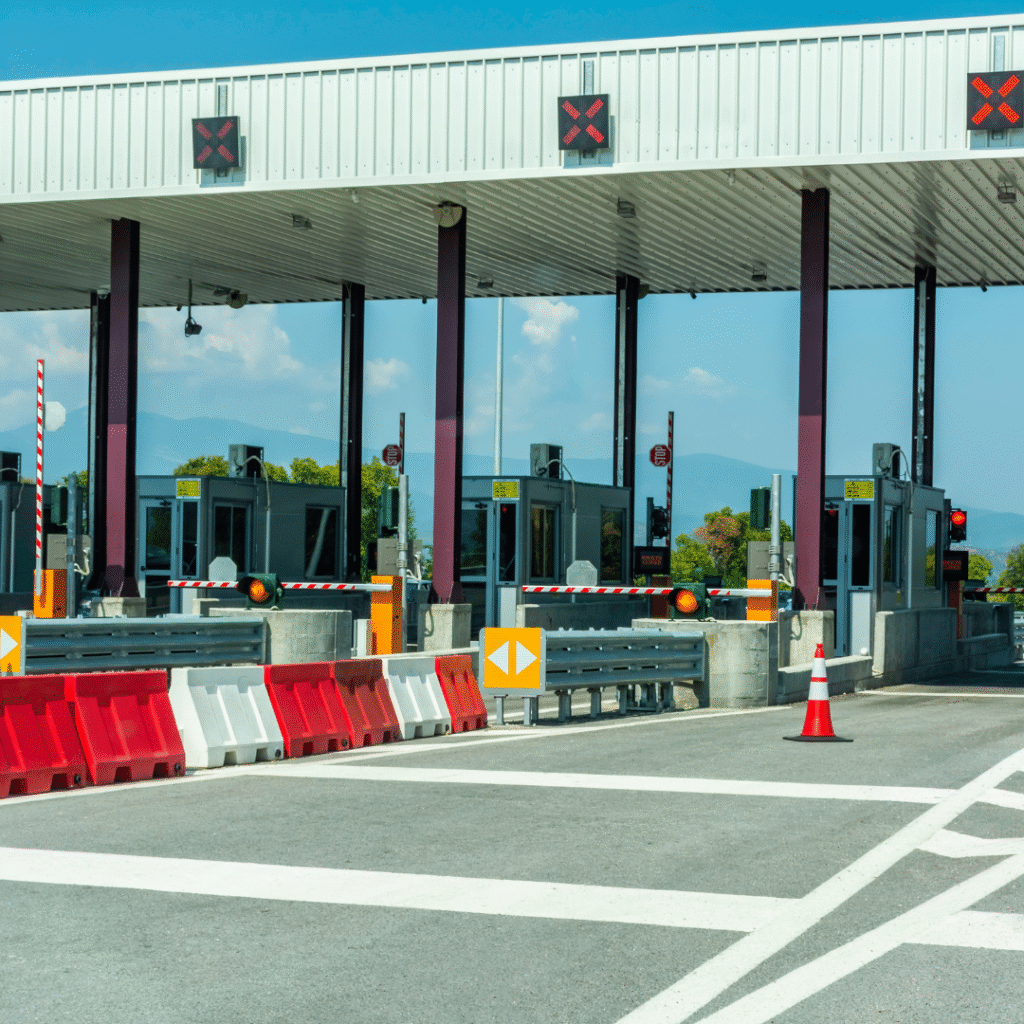
Many rental cars come equipped with toll pass transponders like E-ZPass or SunPass. When you pass through a toll booth, your location, date, and time are recorded, and rental companies get this data.
License Plate Readers
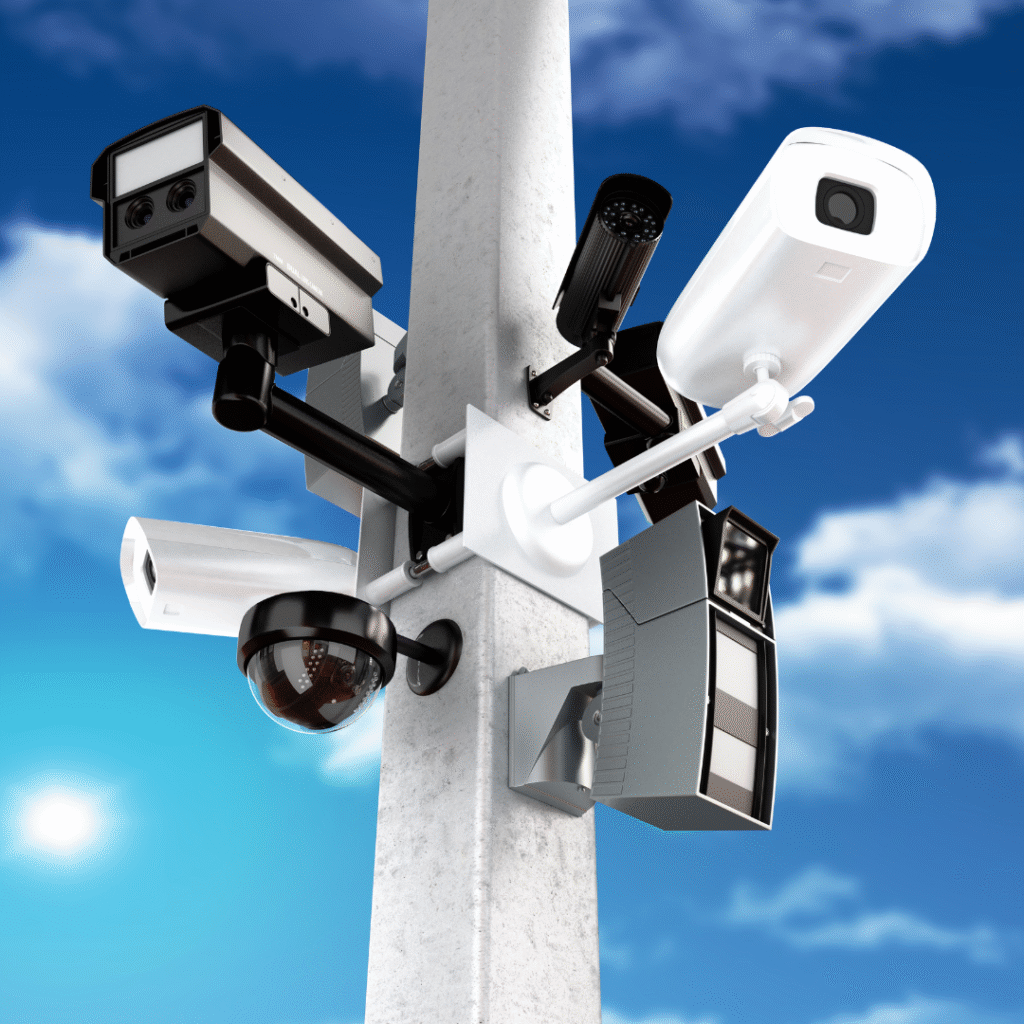
Automatic License Plate Recognition (ALPR) cameras are increasingly common, not just for law enforcement, but in parking garages, toll stations, and even some city streets. If your rental car’s plate gets scanned, the record is logged.
Telematics & GPS
Some rentals use built-in telematics systems to track mileage, engine diagnostics, and yes, location. While not all companies use GPS tracking in real-time, they may review data after you return the vehicle.
Why They Track You
Rental car companies may track for a variety of reasons. Some of them include:
- Enforcing geographic restrictions in your rental agreement (see our complete guide on taking a rental car out of state for what these rules mean for travelers)
- Calculating fees for tolls, tickets, or cross-border travel
- Theft prevention for high-value vehicles
Privacy Considerations
Most rental agreements disclose tracking methods in the fine print. While data is generally used for business purposes, it’s worth reading the privacy policy.
Conclusion
If your rental contract says “no out-of-state travel” or limits driving to a specific region, assume the company can verify where you’ve been. Transparency is your best friend so check the rules before you drive.
